The anxiety surge after drinking, hangxiety, isn’t weakness. Alcohol first sedates, then rebounds brain systems that regulate anxiety, while also disrupting REM sleep—the stage that helps us process emotions—so you wake early, threat-biased, and tense (McCullar et al., 2024; Gardiner et al., 2025). Short, repeatable changes (a 72-hour reset after drinking, a 20-second pre-drink check, and therapy skills like CBT, MBRP, and ACT) reduce hangxiety without relying on willpower alone (Skrzynski et al., 2023; Krotter et al., 2024). If problem drinking is creeping in, private alcohol support in Birmingham and online across the UK is available.
What is hangxiety?
Hangxiety is the next-day (or same-night) anxiety many people feel after drinking, often peaking in the morning. It’s more than “guilt.” Alcohol initially boosts inhibitory signals (you feel looser), then, as levels fall, your excitatory systems rebound, and stress physiology can rise. Add fragmented, REM-reduced sleep, and your brain wakes on alert, interpreting normal sensations (such as a pounding heart and dry mouth) as danger (McCullar et al., 2024; Gardiner et al., 2025). UK guidance to keep risks low recommends no more than 14 units/week, spread over 3+ days with drink-free days, and avoiding binges. Sensitivity varies person to person.
Did you know?
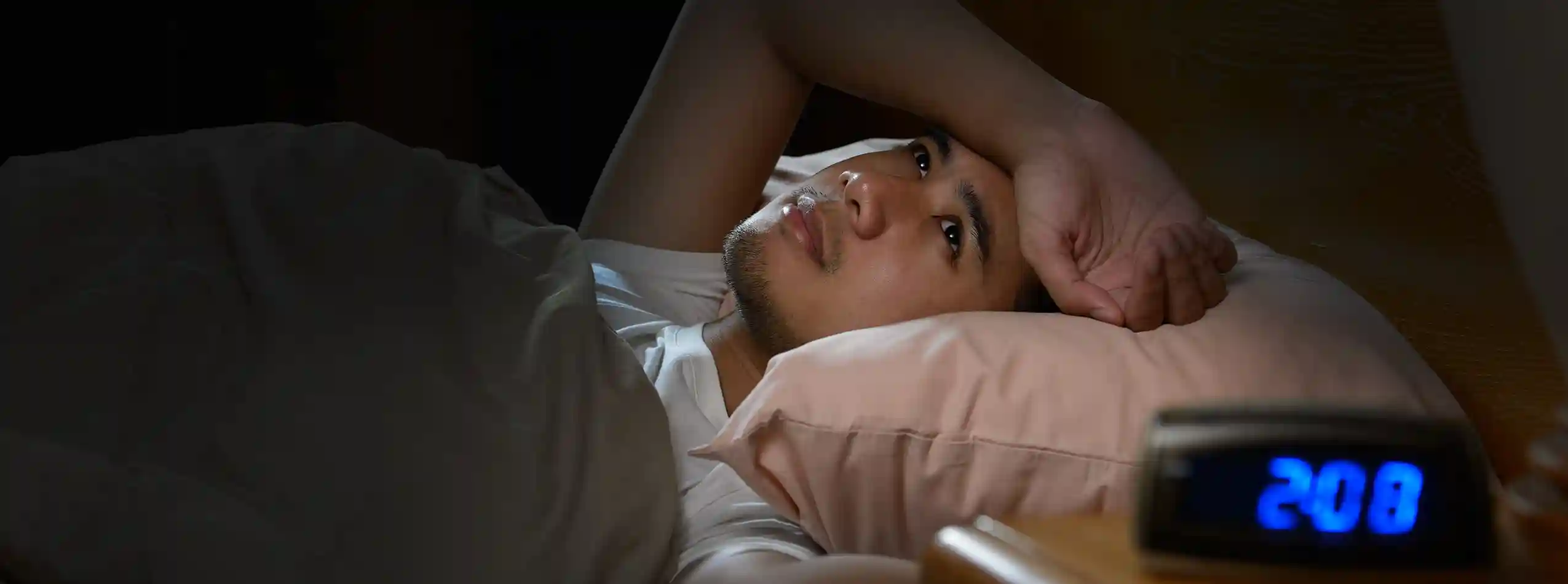
Even a small “nightcap” can shorten sleep onset yet reduce REM sleep and fragment the night. With less REM—your brain’s overnight emotional housekeeping—you’re more likely to wake anxious and threat-focused. (McCullar et al., 2024; Gardiner et al., 2025).
What’s happening in your brain and body
From calm to rebound
Early on, alcohol presses the brain’s “brake,” so worries quieten. As alcohol wears off, excitation rebounds and stress hormones may spike. That’s why you can wake early with a racing heart and sticky, catastrophic thoughts.
REM suppression → rebound
High-quality studies show alcohol reduces total REM and alters sleep architecture across consecutive nights. Less REM sleep results in poorer emotional processing, so the morning-after anxiety bites harder (McCullar et al., 2024; Gardiner et al., 2025).
Did you know?
People who report frequent hangovers often show higher baseline anxiety and stress than hangover-resistant peers, even when sober, suggesting a vulnerability that alcohol can amplify (Kim et al., 2023).
The morning-after experience: common signs & how long it lasts
Common signs: early waking (3–5 a.m.), racing or “thudding” heartbeat, rumination, jumpiness, irritability, and social self-criticism (“What did I say?”). Low mood can linger 24–72 hours, especially with sleep debt and heavy sessions (Gardiner et al., 2025).
How long does hangxiety last?
For many, 24–48 hours; sometimes up to 72 if you’ve stacked stressful days or multiple nights out. It fades faster with hydration, regular meals, light physical activity, and alcohol-free nights, while sleep helps reset.
If you’re unsure whether your pattern counts as problem drinking, this explainer, how easy is it to have problems with alcohol?, breaks it down without labels.
Did you know?
UK data repeatedly show binging (many units in one go) drives next-day symptoms more than the same units spread out—another reason to pace and build in drink-free days.
What actually helps, beyond “just stop”
No silver bullets, just small, repeatable steps that calm your system and shrink hangxiety’s grip.
1) A 72-hour reset after drinking
- Hydrate and eat regularly (steady energy prevents “danger” misreads of normal sensations).
- Gentle movement and morning daylight; keep a consistent wake time (even after poor sleep).
- Wind-down routine and no alcohol during the reset—give REM room to recover (McCullar et al., 2024).
If you want a simple, values-based starting point, see substance misuse and addiction explained for patterns and safe first steps.
Did you know?
After periods of drinking, REM rebound can bring vivid dreams for a few nights during reset, that’s a repair signal, not a setback (Gardiner et al., 2025).
2) Therapy approaches with supportive evidence
You might already know Cognitive Behavioural Therapy (CBT) helps with anxiety and alcohol-linked habits (triggers, planning, thoughts). If you’d like a sense of what it’s like, here’s a personal experience of CBT and a primer on cognitive behavioural therapy (CBT).
Crucially, CBT isn’t the only option:
- Mindfulness-Based Relapse Prevention (MBRP): Mindfulness skills are combined with relapse-prevention principles. Trials suggest reductions in heavy-drinking days and improved affect regulation (Skrzynski et al., 2023; Ramadas et al., 2021).
- Acceptance and Commitment Therapy (ACT): A 2024 meta-analysis indicates that ACT can improve outcomes related to addictive behaviour and psychological flexibility. It’s helpful when hangxiety is tied to avoidance and rumination (Krotter et al., 2024).
- Couples-involved formats (ABCT/BCT): if arguments about drinking fuel next-day anxiety, couples’ approaches can improve relationship climate and reduce use (Song et al., 2023; overview).
If anxiety is front and centre, this plain guide to anxiety symptoms and therapy may help you decide where to start.
Did you know?
Mindfulness training doesn’t stop thoughts; it teaches you to notice and unhook from them, reducing their impact on behaviour, particularly useful when hangxiety drives avoidance. (Skrzynski et al., 2023).
3) When trauma sits underneath
For some, alcohol works like a short-term anaesthetic against trauma memories—then hangxiety roars back. Strong evidence shows integrated, trauma-focused therapy can reduce PTSD symptoms without worsening substance use, compared with SUD-only care (Hien et al., 2024). If that resonates, start here: what is psychological trauma and how to treat it.
Did you know?
Treating PTSD and alcohol together can be safer and more effective than treating them separately. Your therapist uses grounding and exposure techniques to prevent progress from destabilising recovery (Hien et al., 2024).
Moderation vs. quitting: which eases hangxiety more?
There isn’t a single “right” answer, only what aligns with your values, risks, and goals.
- Moderation may suit you if hangxiety is occasional, you rarely binge, and you can pre-plan limits (pace drinks, alternate with alcohol-free options, set a stop time). UK guidelines emphasise spreading units and drink-free days.
- Abstinence may suit you if hangxiety is frequent/severe, control crumbles once you start, or alcohol is colliding with anxiety, depression, or trauma work. A time-boxed pause (e.g., 30–60 days) often shows how much of your anxiety was alcohol-linked.
If you suspect a deeper issue, this page helps you interpret warning signs in compassionate language: alcoholism and mental health.
Did you know?
Many people report better sleep within 1–2 weeks of reducing alcohol, but full normalisation can take longer, especially after heavy periods (McCullar et al., 2024; Gardiner et al., 2025).
A quick self-check (useful whether you moderate or quit)
Before drinking:
(1) Am I sleep-deprived already? (2) Has today been especially stressful? (3) Am I telling myself “I deserve a drink”—the reward story that often leads to overdoing it?
During: pace + food; alternate with non-alcoholic choices; set a stop time.
After: protect 72 hours: regular meals, hydration, light movement, consistent wake time, and self-talk that names hangxiety (“This is my nervous system rebounding”).
Red flags: repeated blackouts, hiding drinking, dangerous situations, or withdrawal-like symptoms, please pause and seek an assessment.
Your next step in Birmingham—or online across the UK
- If you’re in the West Midlands or anywhere in the UK via video, you can start with a tailored psychological route rather than a one-size-fits-all plan. A thorough diagnostic psychiatric assessment clarifies anxiety, sleep, trauma history and drinking patterns so we can choose the right therapy focus.
- If you’ve ever thought “therapy isn’t for blokes,” this read may help: Why men avoid therapy.
- If you’re wondering what therapy feels like, try the CBT resources above and our broader overview of problem drinking paths.
FAQ
1) Why do I wake panicked at 3–5 a.m. after drinking?
Alcohol reduces REM early, then fragments sleep—so you lose the overnight emotional reset. With less REM and a rebound in arousal, early-morning panic is common (McCullar et al., 2024; Gardiner et al., 2025).
2) How long does hangxiety last?
Often 24–48 hours, sometimes up to 72 hours with stacked stress or multiple nights out. Hydration, regular meals, light physical activity, and alcohol-free nights all contribute to recovery (Gardiner et al., 2025).
3) Does moderate drinking still affect mental health?
It can. Even small amounts close to bedtime reduce REM, sharpening next-day anxiety in sensitive people. UK low-risk guidance remains 14 units/week max, spread out (NHS Inform).
4) Is hangxiety a sign of problem drinking?
Not automatically. But frequent hangxiety, loss of control, or binges are cues to review your pattern. A gentle primer is here: how easy is it to have problems with alcohol?.
5) What therapy helps hangxiety if I don’t want medications?
CBT for triggers and thinking traps; MBRP to notice and unhook from urges; ACT to act by values despite anxiety, each supported by evidence (Skrzynski et al., 2023; Krotter et al., 2024).
6) I drink to block trauma. Will therapy make my drinking worse?
Integrated, trauma-focused care can reduce PTSD without increasing substance use compared to substance-use-only care (Hien et al., 2024).
Key takeaways
- Hangxiety = biology + sleep, not weakness. Alcohol disrupts REM and rebounds anxiety systems.
- Short windows matter: a 72-hour reset after drinking helps many people.
- Skills over white-knuckle: CBT, MBRP, and ACT reduce hangxiety without medication.
- If trauma is involved: integrated care treats both safely.
- Private, local help: StrongerMinds offers online support tailored to you, available in Birmingham and across the UK.
Disclaimer
This content is educational and should not be considered a diagnosis or personalised clinical advice. If you’re worried about safety or possible withdrawal (e.g., tremor, sweats, agitation), seek urgent medical help (NHS 111 / 999). For non-urgent guidance, see the NHS alcohol misuse page.
Author: Dr Nick Zygouris, Consultant Clinical Psychologist, HCPC-registered
Publish date: 29 September 2025
Last reviewed: 29 September 2025
References
- Gardiner, C., et al. (2025). The effect of alcohol on subsequent sleep in healthy adults: A systematic review and meta-analysis. Sleep Medicine Reviews, 75, 102030. https://doi.org/10.1016/j.smrv.2024.102030
- Hien, D. A., Papini, S., Saavedra, L. M., et al. (2024). Project Harmony: A systematic review and network meta-analysis of psychotherapy and pharmacologic trials for comorbid posttraumatic stress, alcohol, and other drug use disorders. Psychological Bulletin, 150(3), 319–353. https://doi.org/10.1037/bul0000409
- Kim, A. J., Merlo, A., Mackus, M., et al. (2023). Depression, anxiety, and stress among hangover-sensitive and hangover-resistant drinkers. Journal of Clinical Medicine, 12(8), 2766. https://doi.org/10.3390/jcm12082766
- Krotter, A., Aonso-Diego, G., González-Menéndez, A., González-Roz, A., Secades-Villa, R., & García-Pérez, Á. (2024). Effectiveness of Acceptance and Commitment Therapy for addictive behaviours: A systematic review and meta-analysis. Journal of Contextual Behavioral Science, 32, 100773. https://doi.org/10.1016/j.jcbs.2024.100773
- McCullar, K. S., Barker, D. H., McGeary, J. E., et al. (2024). Altered sleep architecture following consecutive nights of presleep alcohol. Sleep, 47(4), zsae003. https://doi.org/10.1093/sleep/zsae003